
Tomato Soup Abundance
Things can get more expensive and more affordable at the same time.


The Campbell Soup Company was founded 156 years ago in 1869 in Camden, New Jersey by two entrepreneurs: Joseph Campbell, a tinsmith, and Abraham Anderson, a fruit merchant and preserves maker. In 1894 Joseph Campbell retired and Arthur Dorrance became the new president.
In 1895, Campbell's introduced its first ready-to-eat soup, Beefsteak Tomato, in a jar. In 1897, Arthur’s nephew, Dr. John T. Dorrance, invented the process of condensing soup, allowing for smaller cans and lower prices. In 1898, the company launched its iconic red and white soup label after a company executive was impressed by Cornell University's football uniforms.
In 1962, Andy Warhol's solo exhibition "Campbell's Soup Cans" in Los Angeles brought renewed relevance to Campbell's Tomato Soup and launched the pop art movement.
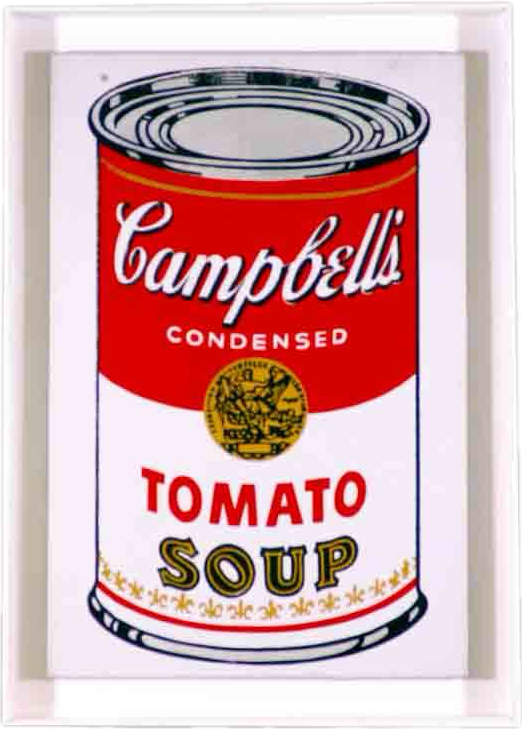
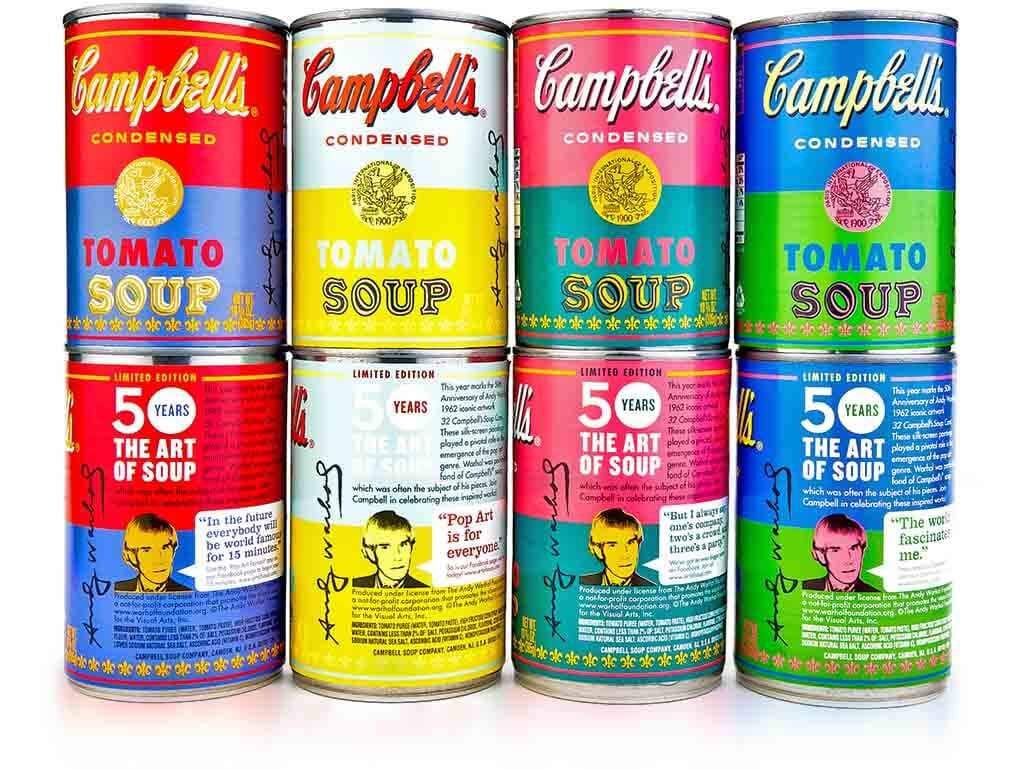
In 2012 Campbell’s launched a limited-edition series of tomato soup cans with Andy Warhol-inspired labels to commemorate the 50th anniversary of the artist’s work.
In 1898 you could buy a can of Campbell’s Tomato soup for only 10 cents. Today the price is closer to $1.24. The nominal money price has gone up by a factor of 12.4. But what about the time price? In 1898 unskilled workers were earning 8 cents an hour putting the time price of a can at an hour and 15 minutes. Unskilled work wages have increased to $17.17 an hour or a factor of 214.6 from 1898. At $1.24 a can it only takes 4.3 minutes of time to buy one. This puts the time price at 4.3 minutes. This means the time price has fallen by 94.2 percent. For the time it took to earn the money to buy one can of tomato soup in 1898 unskilled workers get 17.3 cans today. Today’s cans also have a nice-pop-top so you don’t need a can-opener.
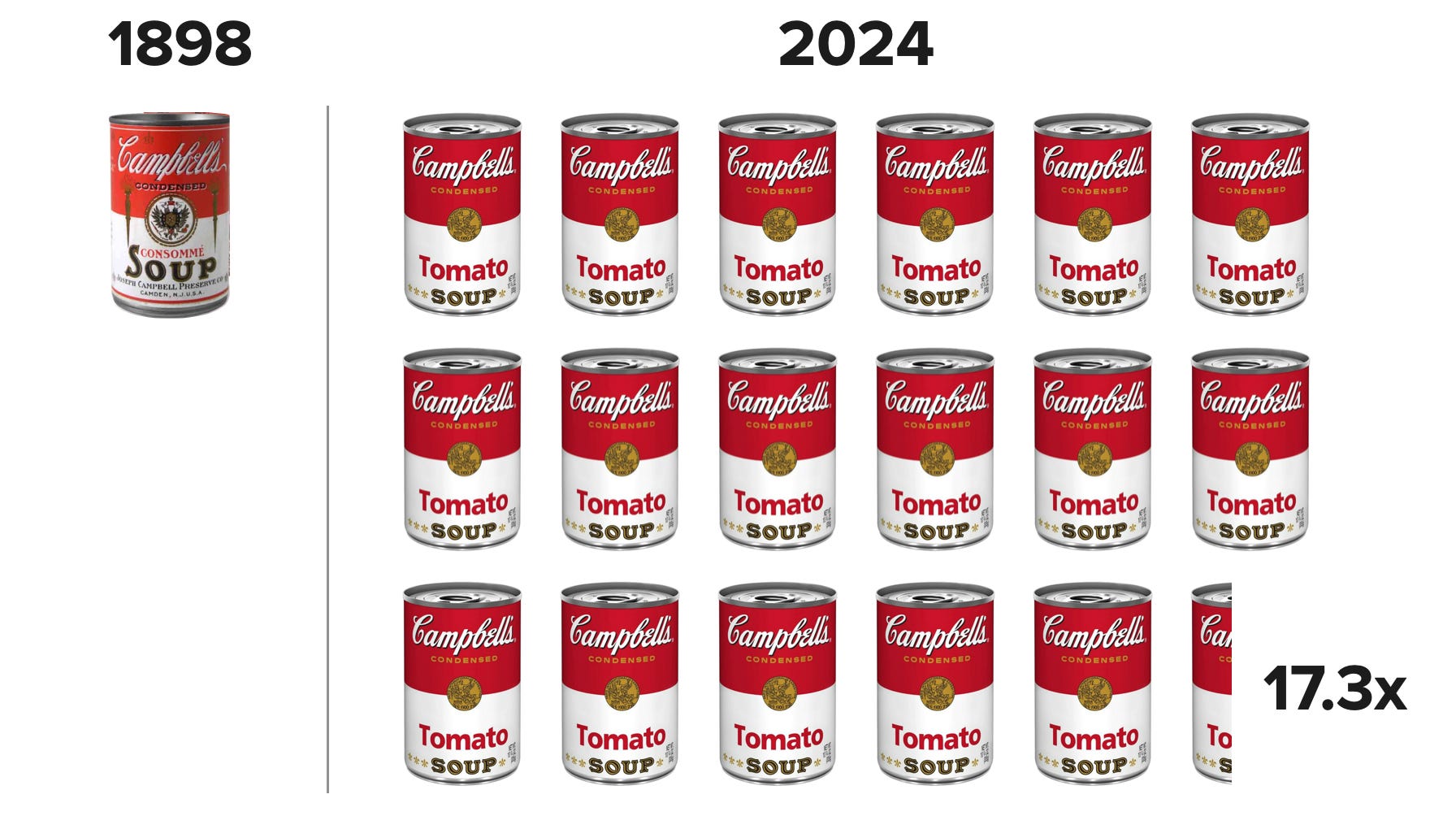
Soup abundance has increased by 1,630 percent. If there had been no innovation in the soup industry a can would cost $21.46 today. Also note that world population increased by 412 percent from 1.6 billion in 1898 to 8.2 billion today. Every one percent increase in population corresponded to a 3.96 percent increase in tomato soup abundance.
If you want to get an even better deal, try Walmart, they’ll sell you a can for one dollar, or 3.5 minutes of work for an unskilled worker.
Please consider enjoying our new course on the Economics of Human Flourishing at the Peterson Academy. Students have logged over 18,000 hours watch and learning. Join for free 7-day trial.

We explain and give hundreds of examples why more people with freedom means much more resource abundances for everyone in our book, Superabundance, available at Amazon.

Gale Pooley is a Senior Fellow at the Discovery Institute and a board member at Human Progress.